It began with a minor epiphany instead of a significant choice.
I observed how easy it was to make excuses one morning when I was lacing my shoes. Not enough time. I’m too exhausted. Perhaps tomorrow. I wasn’t short on motivation, but I was short on consistency, like a lot of other individuals. And that’s when it became evident that being fit isn’t truly about willpower. It’s about showing up, day after day, even on normal days.
But these days, showing up often needs a little help.
That’s where fitness technology comes in softly.
Fitness devices used to seem like they were only for folks who were really into working out or going to the gym. Now, they are made for daily use. People who work in offices, are new to walking, are busy parents, or just like to walk. People who want to be more active, learn more about their bodies, and stay healthy without making fitness their profession.
I witnessed this happen while I was trying to get back into a routine. I wanted feedback instead than speculating if my work mattered. Something easy. Something true.
Why fitness gadgets are so popular
It’s not the technology that makes fitness equipment useful; it’s the awareness.
When you can see your steps, pulse rate, or sleep patterns, your behaviors are no longer hidden. Numbers don’t judge, but they also don’t tell the truth. When you see how calm the day really was, skipping movement feels different all of a sudden.
Tracking makes people responsible without putting them under pressure. You don’t have to wonder if an exercise helped; there’s proof. You may change your routines, minimize burnout, and stay consistent without having to guess. And the best part is that these tools work in real life. You don’t need to pay for a gym membership, hire a personal trainer, or set up a sophisticated system.
While you go about your day, they merely sit there and quietly gather information.
Smartwatches and fitness trackers: keeping you aware on your wrist
The first thing I tried was a simple fitness tracker. Not much. It only tracks steps, heart rate, and sleep.
But the effect was unexpected.
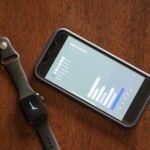
It made people move around all day, not just while they were working out. More walking. Getting up. Taking slower breaths. I eventually got a smartwatch that could track my workouts, runs, and even my stress levels.
These devices that track fitness turned into gentle reminders. They didn’t push hard. They pushed. Simple activity trackers are all beginners need. More modern devices have workout modes, location monitoring, and effort analysis for more serious training.
They don’t just track exercises; they also encourage people to move every day.
Wireless earbuds: motivation that goes with you
Everything changed when music came along.
I didn’t expect wireless earbuds to help me get fit. They were made to stay in place, handle sweat, and give good sound. They turned exercises from chores into fun activities.
Some days, it wasn’t discipline that made me move; it was a music I liked. Workout earbuds kept the enthusiasm going by shutting out noise during strenuous workouts or letting in ambient sound while running outside.
They don’t keep track of numbers, but they do keep you motivated. And sometimes, that’s all it takes to get through periods when you don’t have much energy.
Smart Scales: Moving Forward from the Mirror
It can be hard to step on a normal scale. Weight alone doesn’t tell the whole story.
Smart scales transformed that way of thinking. They keep track of things like body fat percentage, muscle mass, and hydration levels, and they sync everything to an app. Even when the weight stayed the same, progress was clear.
This clarity is important for people who want to get stronger or healthier in general. It keeps you motivated when things take a long time to change.
Fitness Gadgets for the Home: Get Fit When You Want
Not everyone likes going to the gym. I didn’t always have the time or want to do it either.
Home workout tools filled that void. Resistance bands, adjustable dumbbells, clever jump ropes, and small cardio equipment made it easy to move around at any moment. Some linked to applications that automatically registered progress and led workouts.
Location no longer mattered for fitness. It fit in living rooms, bedrooms, and small locations whenever life allowed.
Gadgets for Recovery and Wellness: Sleep is Important Too
One lesson that became evident right away is that fitness isn’t only about working harder.
Massage guns, foam rollers, and posture correctors are some of the recovery equipment that helped ease pain and make it easier to move. Regular use of them lessened the chance of injury and made workouts feel like they could last.
Rest wasn’t a sign of weakness; it was a plan.
The Quiet Benefit of Fitness Gadgets and Mental Health
The mental effect was the most surprising thing to me.
Tracking sleep showed trends. Breathing exercises helped me feel less stressed. Seeing statistics helped me see how behaviors affect my attitude, focus, and vitality. Patterns became evident instead of having to guess what worked.
I found it simpler to work out and calmer in general when I had more sleep and managed my stress better.
Picking the Best Fitness Gadgets
Not every gadget works for everyone.
It’s helpful to ask simple questions before you buy. Is the goal to lose weight? How strong? What do you do every day? Getting better? It’s best to start small. A tracker and some simple training clothing are frequently all you need.
The finest fitness device is the one you use every day.
Last Thoughts
Fitness gadgets won’t do the job for you, but they can help you stick to your goals. They keep track of progress, point out tendencies, and gently help with routines. Smartwatches, wireless earphones, smart scales, and recovery tools all have a part to play without taking over.
In the end, being fit is all about turning up. Having good gear makes it easier to keep going.
Find the best fitness gadgets that will help you remain on track, keep track of your progress, and stay motivated. Go to Nextgen Gadget today and get products that will help you get fit, one day at a time.




Leave a Reply