
I ran across an old classmate I hadn’t seen in years one night after work. We said hello to each other in a friendly way, but something felt off as we talked. I first observed how he was standing—his shoulders were slumped and he moved more slowly. Then I saw his waist. His tummy thrust out in a way that was definitely new.
I joked and said, “What happened to you?” out of habit.
He laughed, but there was anger behind it.
He said that work life had taken over. Long hours at a desk, late nights, family duties, and a never-ending list of excuses had slowly taken the place of going to the gym. He was too fatigued to work out when he came home. Fitness had silently left.
We met another college friend later that same day. We both looked at each other when he walked approaching us. He was in even worse shape. His tummy was taut under his shirt, and he looked like he was in pain just standing there. It really felt like his body was under a lot of stress, that it may burst at any time.
That moment impacted us hard.
At one time, we all did things. Sports, strolling around, and getting energy without trying. We were now watching our health go away right in front of us. We stood there together and recognized something important: we weren’t lazy; we were just too busy. The regulations had changed because of modern existence.
So we asked ourselves a simple question: Is there a way to keep in shape without going to the gym for hours?
We got online that night. We were shocked by what we found. In 2026, working out wasn’t simply about using dumbbells and treadmills. Technology has discreetly stepped in, giving us clever solutions that fit into our hectic lives.
Smart fitness trackers with AI: coaches that don’t talk to you
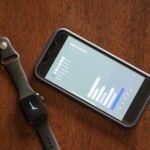
The first thing that stood out to us was how far fitness trackers had come. They weren’t just counting steps anymore. Smart fitness trackers with AI might now look at how hard you worked out, how well you slept, how stressed you were, and even how much water you drank.
They didn’t shout orders or make you feel like you were in a lot of trouble. Instead, they gently pushed you, telling you to rest when you needed to or to move when your body was ready. For someone who was locked in the same old workplace routines, this was like having a personal coach who knew what was possible in real life.
Strength Without the Gym: Smart Resistance Training Equipment
Next, we found out about clever resistance training tools. Digital versions of traditional weights had come out. Resistance may now change on its own based on how strong and tired you were. Every time you did it, the tension changed to lower the danger of harm.
This changed the game for home exercises. No need to drive to the gym. No guessing. Just strength training that worked with people’s busy lives.
Wearable Muscle and Motion Sensors: Fixing Things You Can’t See
We were especially interested in sensors that might be worn on the body to track muscle and motion. These small sensors stick to the skin and keep track of how muscles move when you work out. Before discomfort even starts, they can tell whether your form is bad, your muscles are out of balance, or you’re straining too much.
This technology made me feel better about working out again after years off or for the first time. It took away fear and gave it accuracy.
Smart Recovery and Wellness Devices: Healing Is Important Too
One of us said something important: we weren’t just out of shape; our bodies were stiff, aching, and fatigued. That’s when we looked at smart recovery tools.
Massage tools with sensors, pressure devices that improve blood flow, and wellness gadgets that focus on breathing all helped muscles heal faster. It wasn’t enough to merely push harder anymore; you had to recuperate smarter, too.
Virtual and Augmented Reality Fitness: Bringing Fun Back to Workouts
Workouts had also become more real. With virtual and augmented reality fitness systems, working out became more like experiences, including boxing fights, riding around virtual towns, or playing games with friends online.
All of a sudden, working out didn’t feel like a hassle. They seemed like games. Motivation came back on its own.
Smart shoes and insoles: fitness starts at the bottom.
Shoes have changed too. Smart shoes and insoles might now keep track of your posture, balance, foot pressure, and how you walk. This information helped keep people from getting hurt and made walking or running more efficient without disrupting their everyday routines.
Fitness apps that do everything in one place
All-in-one fitness applications were what brought all of this together. Instead of having to deal with a lot of different platforms, all of your workouts, recuperation, food, sleep, and health data were all in one place.
Fitness was no longer a mess.
Advanced Health Monitoring Wearables: The Intersection of Fitness and Health
Fitness equipment weren’t just for looks by 2026. Wearable technology that was more advanced could now keep track of heart health, oxygen levels, signs of weariness, and long-term patterns. These tips helped people make better, safer choices about their exercise.
Standing there days later and thinking about what we had learnt, we recognized something important. Fitness didn’t need to be so strict anymore. It needed smart help.
Technology had taken over where motivation typically fell short. It changed to fit busy lives instead of asking for perfection.
Last Thoughts
In 2026, fitness isn’t about doing the same thing again and over; it’s about doing it right. AI-powered tools help with movement, recovery, and wellness without making a sound. Smart fitness equipment, health tech gadgets, and wearable fitness technology are increasingly a normal part of life.
Nextgen Gadget has the newest fitness gadgets, smart fitness equipment, and wearable fitness technologies that are made for today’s busy lives. Our carefully chosen list of the top fitness devices of 2026 will help you stay active, healthy, and motivated without getting in the way of your daily life.
Get in touch with us today to learn how technology can change your fitness path, just like it changed ours.





Leave a Reply