I used to think that motivation was the key to being productive. I’d get more done if I only felt more motivated. I told myself that every time work got boring or tiring. But one normal day at work changed all of that.
I sat at my desk and stared at the computer, trying to concentrate. My neck was stiff. Notifications kept buzzing. There were papers all over the place. There was nothing “wrong” in a technical sense, yet everything seemed strange. That’s when I learned something important: my workplace wasn’t helping me work; it was making it harder for me to do my job.
I learnt that productivity isn’t all in your head. It’s tangible. It’s about the environment. The place and way you work affect how well you think and how long you can stay focused.
That realization drove me down a basic path—not toward huge changes, but toward gradual, conscientious upgrades.
Why Office Gadgets Are More Important Than We Think
Little difficulties might build up quickly. If your screen is too low, it hurts your neck. A workstation that is cluttered makes it hard to focus. Background noise keeps breaking your focus. Individually, each problem seems small, but together they sap your energy without you even realizing it.
Office devices don’t have to be high-tech. They are useful tools that get rid of friction. When little problems go away, work starts to flow naturally.
I didn’t need a new career or additional strength of will. I needed a better way to do things.
The First Change: Straightening Up My Back
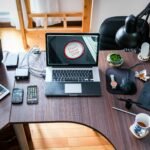
A laptop riser was the first thing I tried. It seemed too easy to be important. But moving my screen up to eye level altered everything. My shoulders felt better. My neck quit hurting. My desk seemed less cramped and more comfortable when I added a separate keyboard and mouse.
That simple change made it easy to work for long periods of time. Your mind stays concentrated longer when your body isn’t in pain.
Finding Peace in a Loud World
The next problem was noise.
There were always distractions, like people, traffic, and background noise, whether I was working from home or in a shared area. Headphones that block out noise were a big deal. The world faded just enough as soon as I put them on.
Silence made a mental wall. Things to do seemed easier. Concentration grew stronger. Things went faster, not because I was in a hurry, but because I wasn’t getting interrupted.
Cleaning off the desk clears the mind.
Clutter was another concern that went unnoticed. Papers, pens, chargers, and cables are all fighting for your attention.
I didn’t expect desk organization tools to impact how I worked so much. Cable organizers disguised cables that were all over the place. Small trays made sure that everything had a place. My workstation suddenly appeared serene.
That tranquility went straight to my mind. It got easy to start working. It became easy to stay focused.
Light That Helps You Focus
Long hours of screen time made my eyes hurt. I didn’t know how important lighting was until I got a desk lamp that could be adjusted.
Controlling the brightness and tone made me less tired. My eyes didn’t hurt as much, and I had more energy. Good lighting not only made things easier to see, but it also helped people last longer.
Staying on Track Without Getting Tired
Managing time was always hard. Some days went very quickly, while others seemed to last forever.
Simple tools helped restore balance. Digital clocks let people stay focused on their work by scheduling breaks. I worked smarter instead of pushing myself all the time. Rest was no longer an accident; it was planned.
Smart calendars and digital notebooks also helped keep track of chores without sending out reminders all the time. Ideas stayed in your head. Plans stayed in view. The focus kept the same.
Picking Gadgets That Really Work
It rapidly became evident that not every gadget is right for everyone.
Before I bought anything new, I learnt to ask myself, “What problem am I trying to solve?” Are you in pain? Things that get in the way? Managing your time? Mess?
When gadgets helped me with actual problems, they got a spot on my desk. They become clutter themselves when they didn’t.
Quality was also important. Tools that were easy to use and worked every day made a bigger difference than flashy ones that needed care.
The Big Picture: Small Changes, Big Results
These little changes built up over time. The days at work went more smoothly. Longer periods of focus. The tiredness went away more slowly. I didn’t work harder; my environment helped me, which made me more productive.
A clean desk helped me think more clearly. A chair that supported me and a screen that was at the right height kept my body safe. Quiet headphones helped me stay focused. Timers respected my enthusiasm.
Alone, none of these modifications were really big. They changed how work felt together.
Last Thoughts
You can’t force yourself to be productive. It comes from making a space that helps you focus. The correct office tools don’t make your desk messier; they make it easier to work.
When your workstation is set up to meet your regular routine, chores seem easier. Comfort helps you last longer. Order makes you think more clearly. If you make small changes and stick with them, they will last.
If you can’t get things done, don’t start with inspiration. Begin with your workstation.
Go to Nextgen Gadget to see useful office gadgets that will help you stay focused, comfortable, and productive. Finally, your workstation will work with you instead of against you.


Leave a Reply